The Science We Support
Advancing Innovation
The Jacob Zabara Foundation believes that great science deserves to be seen. These stories offer a window into the work we fund — the researchers, the questions they’re pursuing, and the patients whose lives may be changed by what they discover. Each project reflects our commitment to supporting bold ideas at the frontier of neuromodulation, from early-career investigators taking their first independent steps to established researchers and teams pushing the boundaries of what brain stimulation can do.
We are proud to share these stories and will continue to add more as our work grows. Check back often.
University of Florida
Multi-year institutional grant
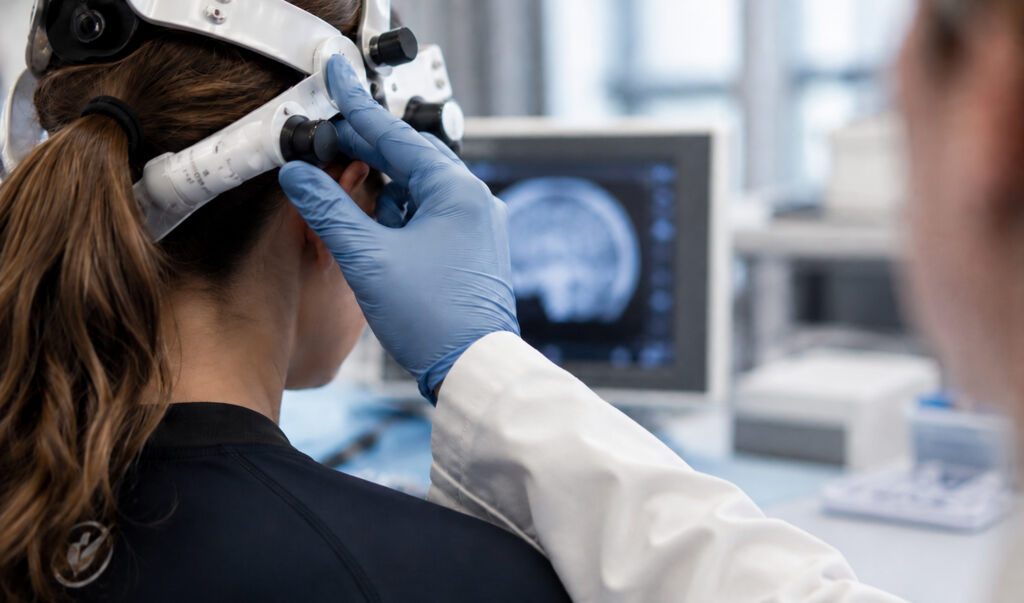
Dr. Gould's research examines the intersection of concussion, depression, and treatment using transcranial magnetic stimulation (TMS) in female equestrian athletes — studying both the neural mechanisms linking mild traumatic brain injury (TBI) to mental health challenges and the potential of precision neuromodulation to treat them.
Read More
Medical University of South Carolina
2026 Zabara Concept Cohort (Early PI)
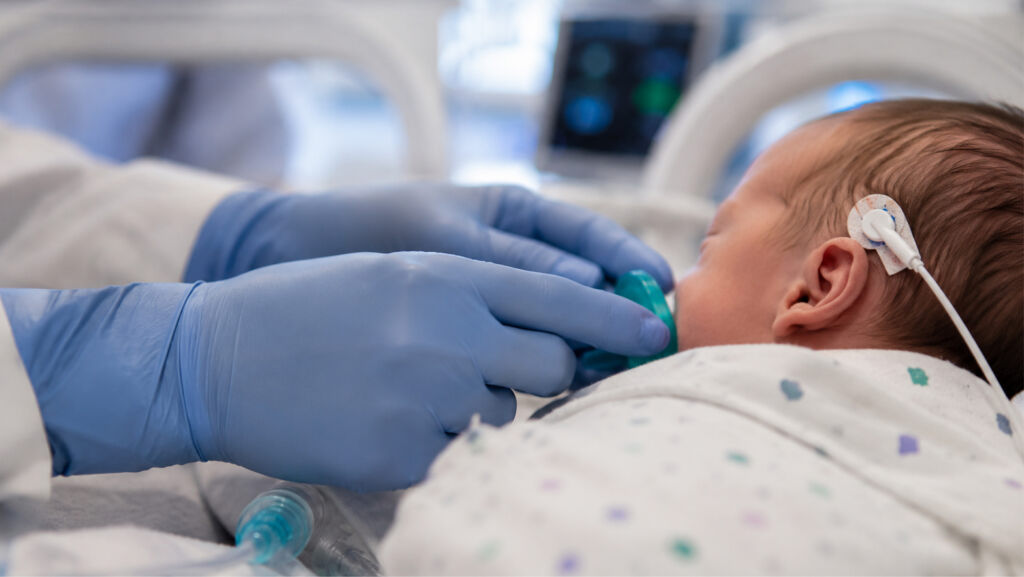
Dr. McGhee’s project tests a novel approach: pairing transcutaneous auricular vagus nerve stimulation (taVNS) with a structured oromotor training protocol in infants with severe dysphagia who cannot safely bottle feed. If successful, this could transform outcomes for one of the most underserved and understudied populations in neonatal medicine.
Read More
Medical University of South Carolina
2026 Zabara Concept Cohort (Early PI)
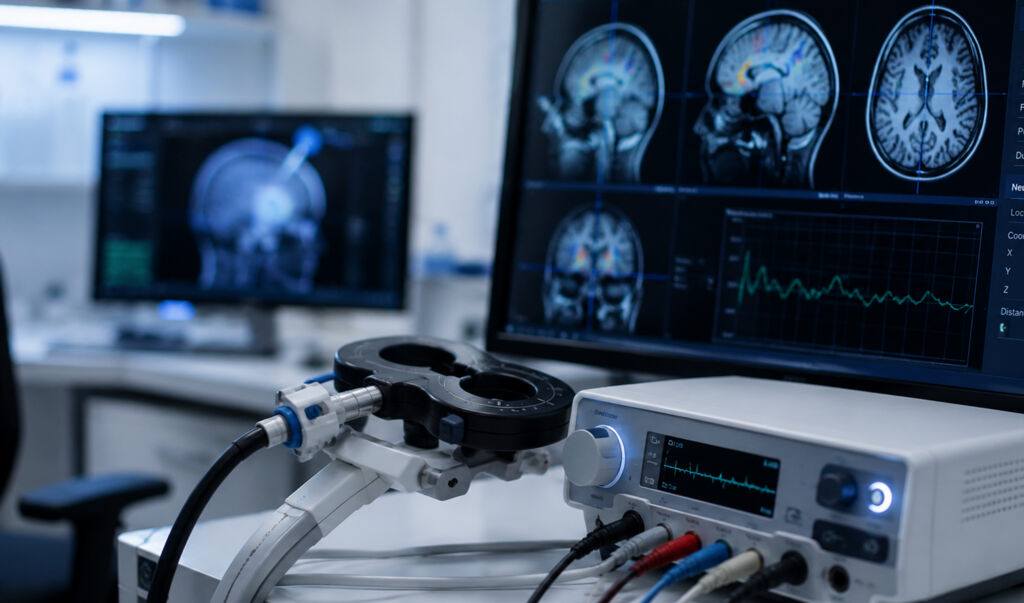
Dr. Olash’s study is the first to systematically test accelerated high-dose tDCS at 6 mA in patients with major depressive disorder, delivered twice daily over five consecutive days in an outpatient brain stimulation laboratory.
Read More
NYU Grossman School of Medicine
2026 Zabara Concept Cohort (Early PI)
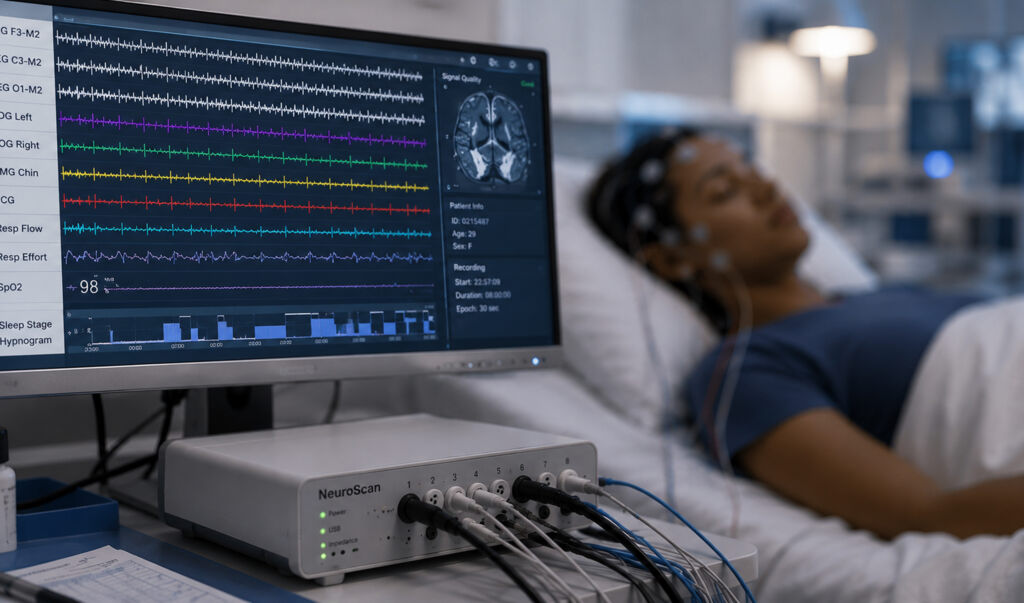
This proof-of-concept study tests the hypothesis that sleep consolidation — not just a symptom of depression, but an electrically modifiable mechanistic pathway — may be the vehicle through which tDCS exerts its antidepressant effects.
Read More
Drexel University
2026 Zabara Concept Cohort (Early PI)
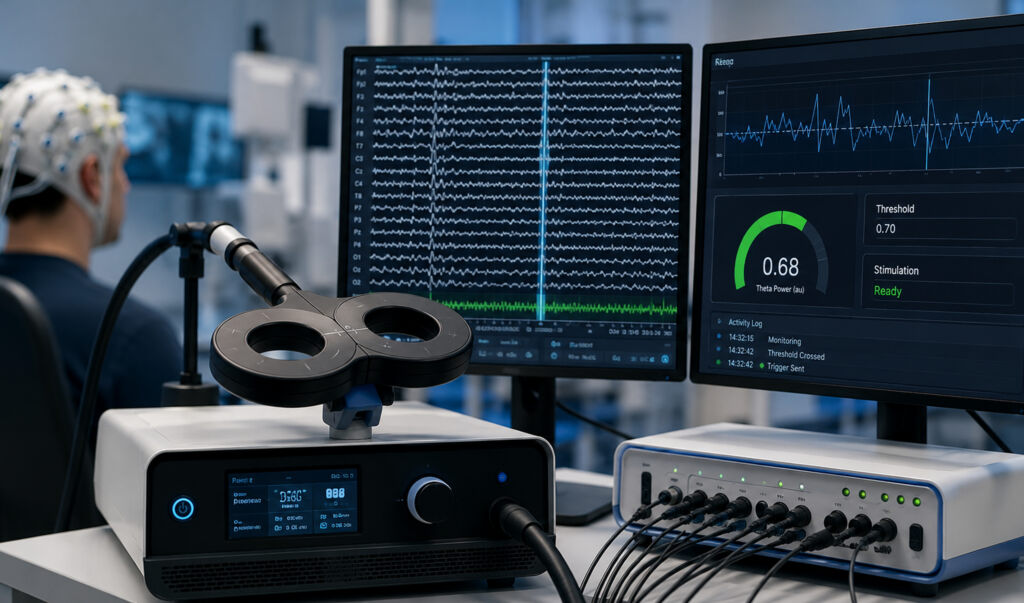
Dr. Erickson’s project develops exactly this: a closed-loop TMS system that monitors ongoing frontal-midline theta oscillations in real time via EEG and triggers stimulation precisely when theta activity falls below threshold, providing targeted support at the moment of cognitive demand.
Read More
City College of New York
2026 Zabara Concept Cohort (Early PI)
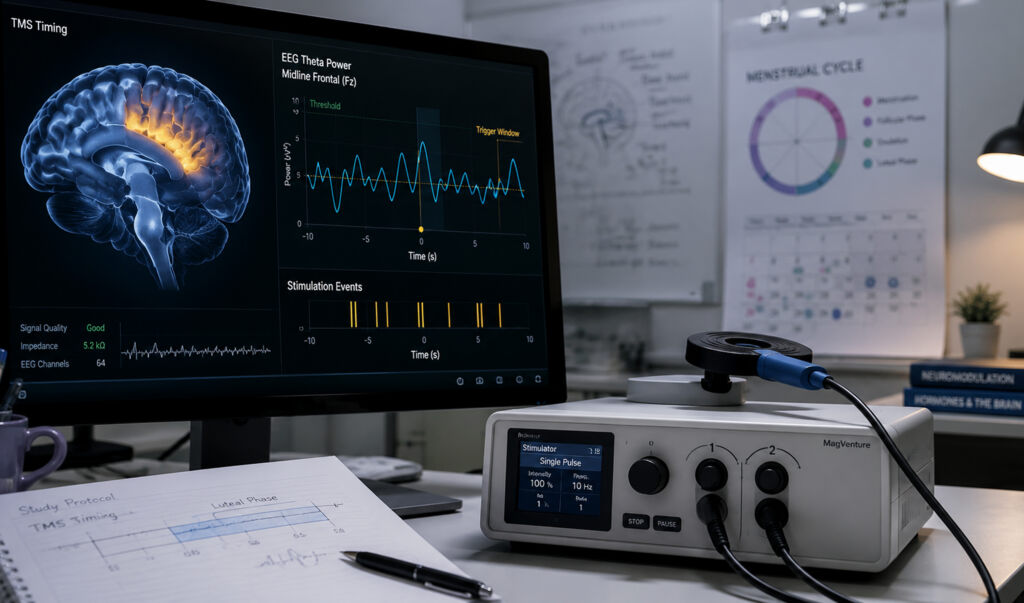
Dr. Ferraz’s project tests a neurohormone-interval-guided approach to TMS — one that aligns stimulation timing with specific phases of the menstrual cycle to exploit periods of heightened cortical plasticity.
Read More
University of Pennsylvania
2026 Zabara Concept Cohort (Early PI)
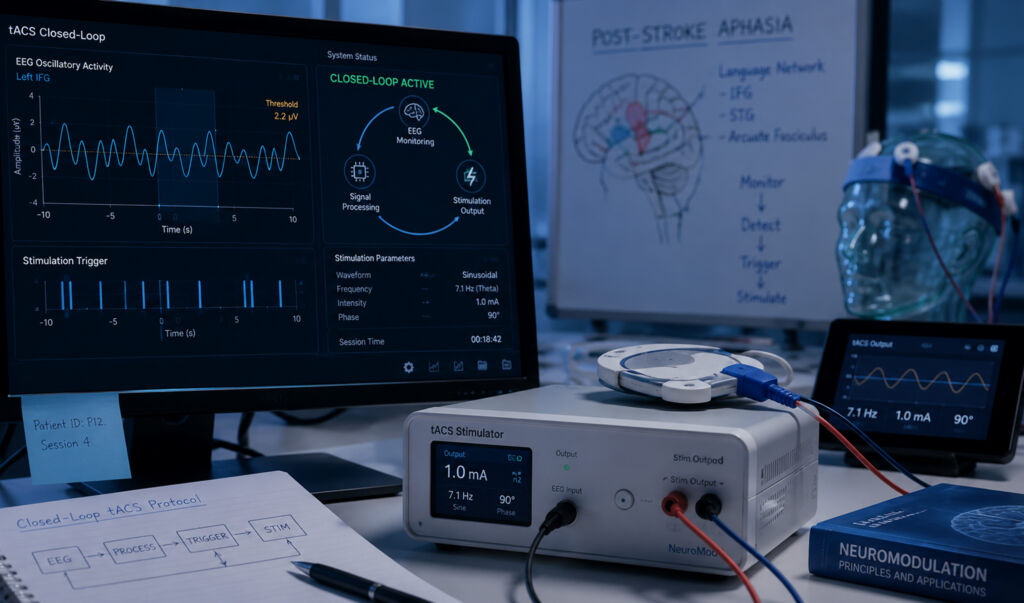
Dr. Harvey’s project develops a closed-loop alternating current stimulation (tACS) protocol for post-stroke aphasia that adapts to each patient’s own neural oscillatory profile, delivering stimulation at the individualized frequency and phase most likely to enhance language network engagement.
Read More