Sleep as the Hidden Mechanism of Healing
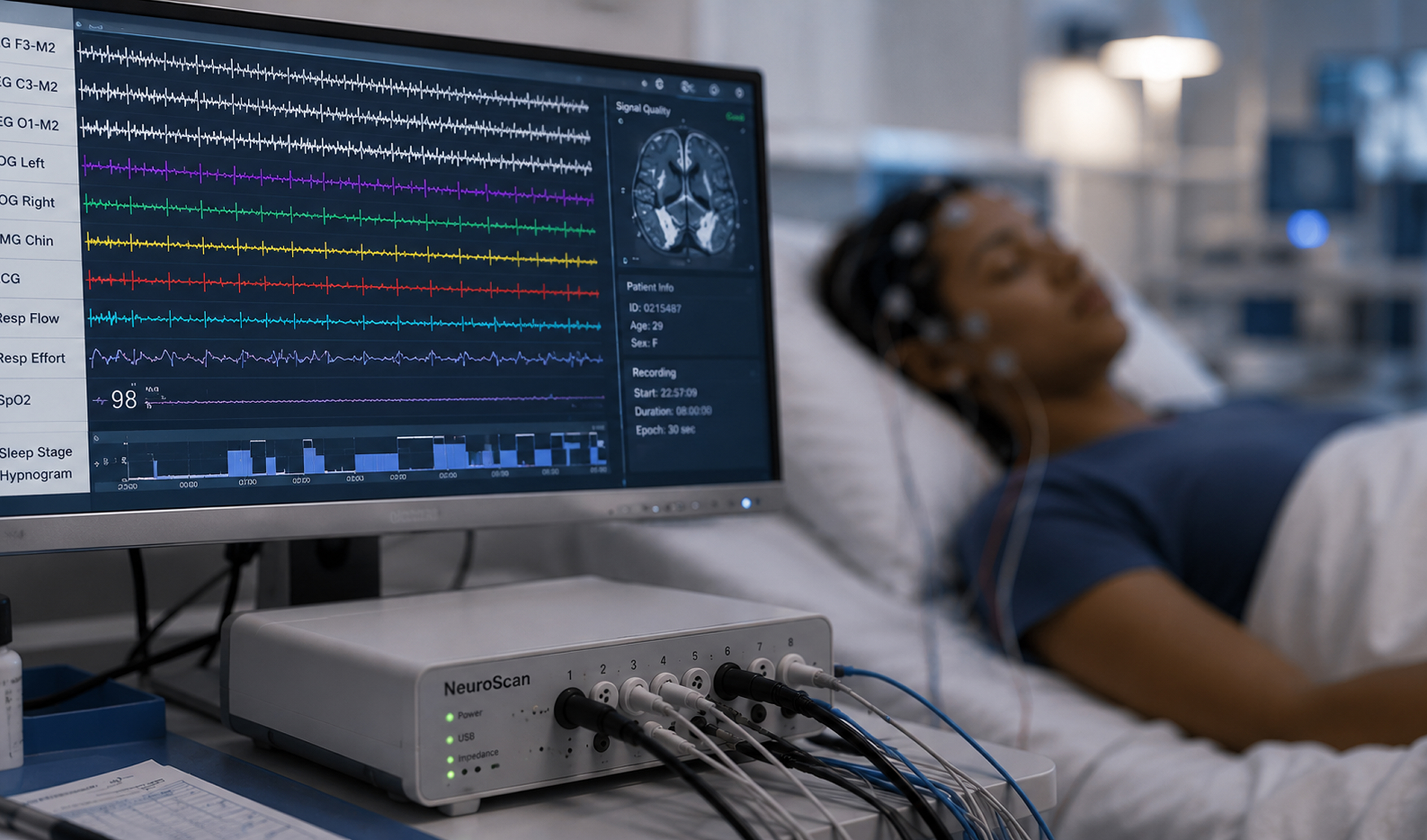
Transcranial direct current stimulation (tDCS) recently received U.S. FDA clearance as a home-based treatment for major depressive disorder — a milestone that creates an urgent scientific question: how does it actually work? While prefrontal stimulation is known to alter cortical excitability and large-scale networks involved in cognitive control and emotional regulation, the downstream mechanisms through which these changes translate to sustained antidepressant effects remain poorly understood. Dr. Pilloni’s clinical experience has offered an intriguing clue: patients receiving home-based tDCS consistently report unexpected improvements in sleep continuity, sometimes before they notice meaningful changes in mood.
This proof-of-concept study tests the hypothesis that sleep consolidation — not just a symptom of depression, but an electrically modifiable mechanistic pathway — may be the vehicle through which tDCS exerts its antidepressant effects. Thirty adults with moderate MDD will undergo a 20-session course of home-based prefrontal tDCS while wearing a low-burden wearable sleep monitor continuously across pre-treatment, treatment, and post-treatment periods. Advanced temporal modeling will assess whether improvements in sleep efficiency, fragmentation, and night-to-night variability precede, co-occur with, or follow depressive symptom improvement — a design that generates mechanistic insight without presupposing efficacy. The work is positioned to open an entirely new front in personalizing neuromodulation for depression.